
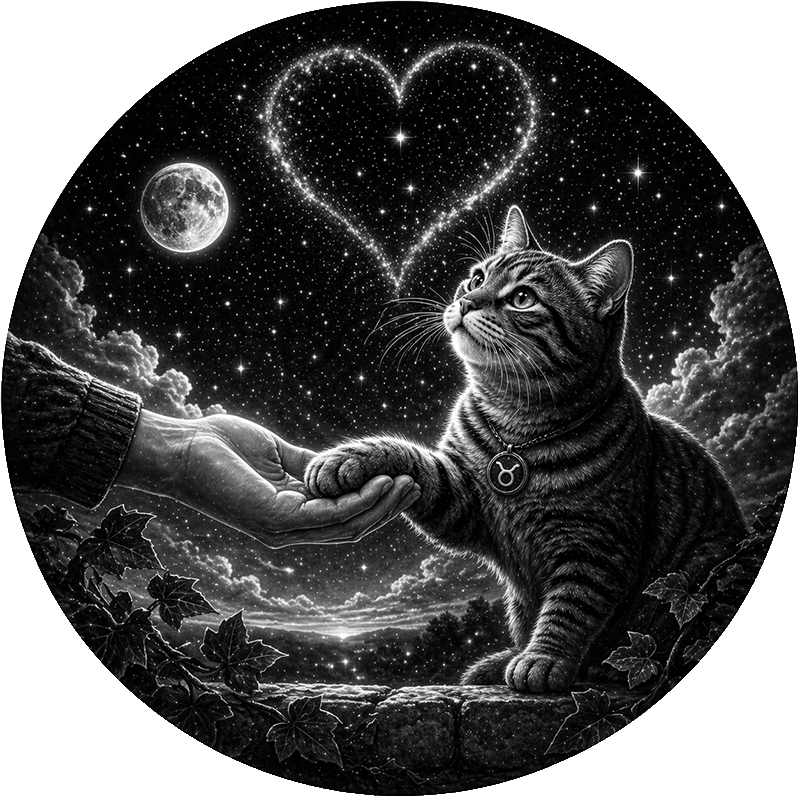
Some cats won’t leave your side. Others barely tolerate a quick pat.
So naturally, you start wondering…
Why are some cats more affectionate than others?
The answer isn’t luck. It’s a mix of biology, early life experiences, and how you interact with them every day.
Let’s break it down.
Personality Plays a Big Role
First, not all cats are wired the same.
Some are naturally social. Others prefer independence. That difference starts at birth.
For example, certain breeds are known for affection:
- Ragdolls love being held
- Siamese cats crave attention
- Maine Coons are gentle and loyal
Meanwhile, mixed-breed cats can land anywhere on the spectrum.
In short: Some cats are naturally more affectionate from day one.
Early Socialization Shapes Behavior
Next, early life matters—a lot.
Kittens go through a critical social window between 2 and 7 weeks old. During this time, they learn whether humans are safe.
If a kitten is:
- Handled gently
- Exposed to people
- Raised in a calm environment
They’re far more likely to become affectionate adults.
However, if they miss this stage, they may grow up:
- Avoiding touch
- Easily overstimulated
- More distant
That’s why early experiences directly impact affection.
Trust Comes Before Affection
Here’s the truth most owners overlook.
Cats don’t give affection freely. They give it when they feel safe.
Signs your cat trusts you include:
- Slow blinking
- Headbutting
- Sleeping near you
On the other hand, a lack of trust leads to distance.
Therefore, affection is not random—it’s earned.
Your Behavior Shapes Your Cat
Now, this is where many people get it wrong.
Cats don’t respond well to pressure. In fact, forcing affection often backfires.
Common mistakes include:
- Picking them up too often
- Ignoring warning signs
- Over-petting
Instead, affectionate cats are built through respect.
So, if you:
- Let your cat approach first
- Pet gently and briefly
- Stop before irritation
You’ll notice a shift.
Respect creates comfort. Comfort creates affection.
Environment Affects Affection Levels
Even a friendly cat can become distant in the wrong environment.
For instance, constant noise or chaos can make cats anxious. As a result, they withdraw.
On the flip side, calm homes encourage connection.
Indoor cats, especially, tend to be more affectionate because:
- They rely on you for stimulation
- You’re their main social contact
A stable environment makes affection more likely.
Age Changes Everything
Affection isn’t static—it evolves.
Kittens are playful and distracted. They don’t sit still for long.
Adult cats become more balanced. They show affection more consistently.
Senior cats often become the most affectionate. They slow down and seek comfort.
So if your cat isn’t cuddly yet, don’t rush it.
Time can naturally increase affection.
Health Impacts Behavior
Finally, always consider health.
If your cat suddenly becomes less affectionate, something may be wrong.
Watch for:
- Hiding
- Irritability
- Avoiding touch
In these cases, a vet visit is important.
Behavior changes often signal physical issues.
The Real Reason Some Cats Are More Affectionate
At the core, affection comes down to four things:
- Personality
- Early experience
- Trust
- Environment
When these align, affection follows naturally.
When they don’t, cats hold back.
How to Make Your Cat More Affectionate
You can’t force affection—but you can encourage it.
Start here:
- Create a calm daily routine
- Let your cat initiate contact
- Use gentle voice and slow movements
- Play daily to build trust
- Reward affection without overwhelming them
Over time, these small actions build a stronger bond.
Final Thought
Your cat’s affection isn’t random—and it’s not a judgment of you.
It’s a response to how safe and understood they feel.
Build that safety, and affection grows.
Want to Go Deeper?
If you’re curious about your cat’s cosmic personality, this is just the surface.
👉 Discover your cat’s zodiac sign
👉 Decode their personality traits
👉 Understand their behavior on a whole new level
Or go even deeper with the Birth Chart Toolkit—and unlock a complete astrological profile of your cat, from sleep patterns to personality quirks and hidden traits.
Because once you understand your cat on this level…
You don’t just live with them.
You truly know them.
Curious why your cat can be cuddly one minute… and chaotic the next?
You’re not imagining it.
Some cats seem to have two completely different personalities—playful, unpredictable, and always one step ahead. It’s not random behavior. It’s a pattern most owners miss.
In the next post, “Gemini Cats: Playful and Curious Traits,” we’ll break down why these cats act the way they do—and how to actually keep up with them.
Because once you understand this dual nature, everything changes.
Don’t miss it.
Previous Story
Earth Sign Cats: Traits and Behaviour
Next Story